Hey LARS.
Press the button and talk, LARS understands and takes care of it.
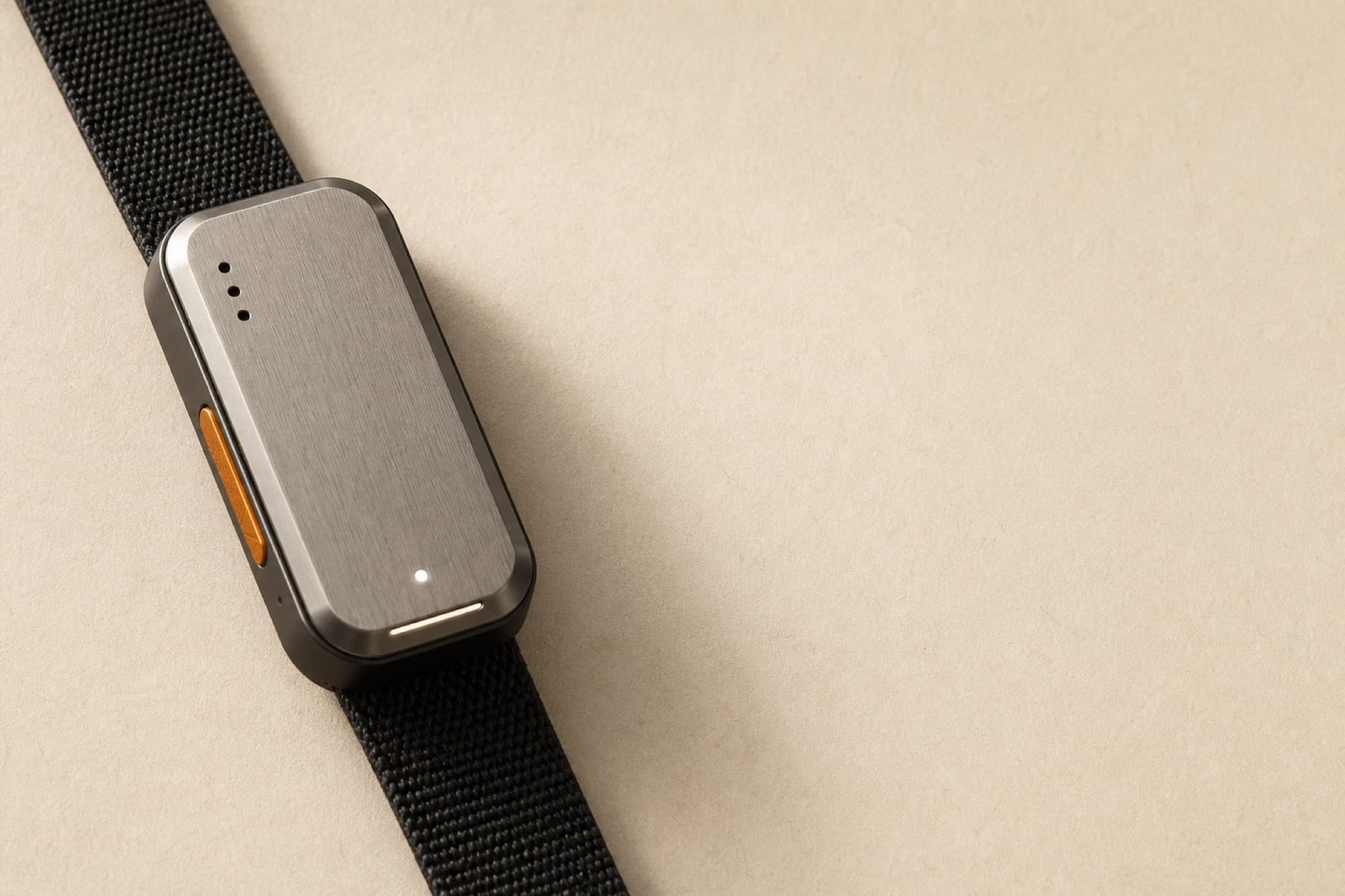
It listens. Then it acts.
One press, one loop, whatever you have to say. A sentence on the stairs and an hour around a table go in the same way and come back done.
You talk.
01Press the button and say it the way you would say it to a person. Three words, or leave it running for the whole conversation.
It understands.
02LARS works out what you actually meant, not just what the words were.
It acts.
03The errand is run, the note is filed, the hour is written up. It lands in your inbox.
Look up.
You rarely reach for your phone because you want to. You reach for it because something small needs doing and it is the only thing within reach that can do it. You go to add one item, and you put the phone down three minutes later.
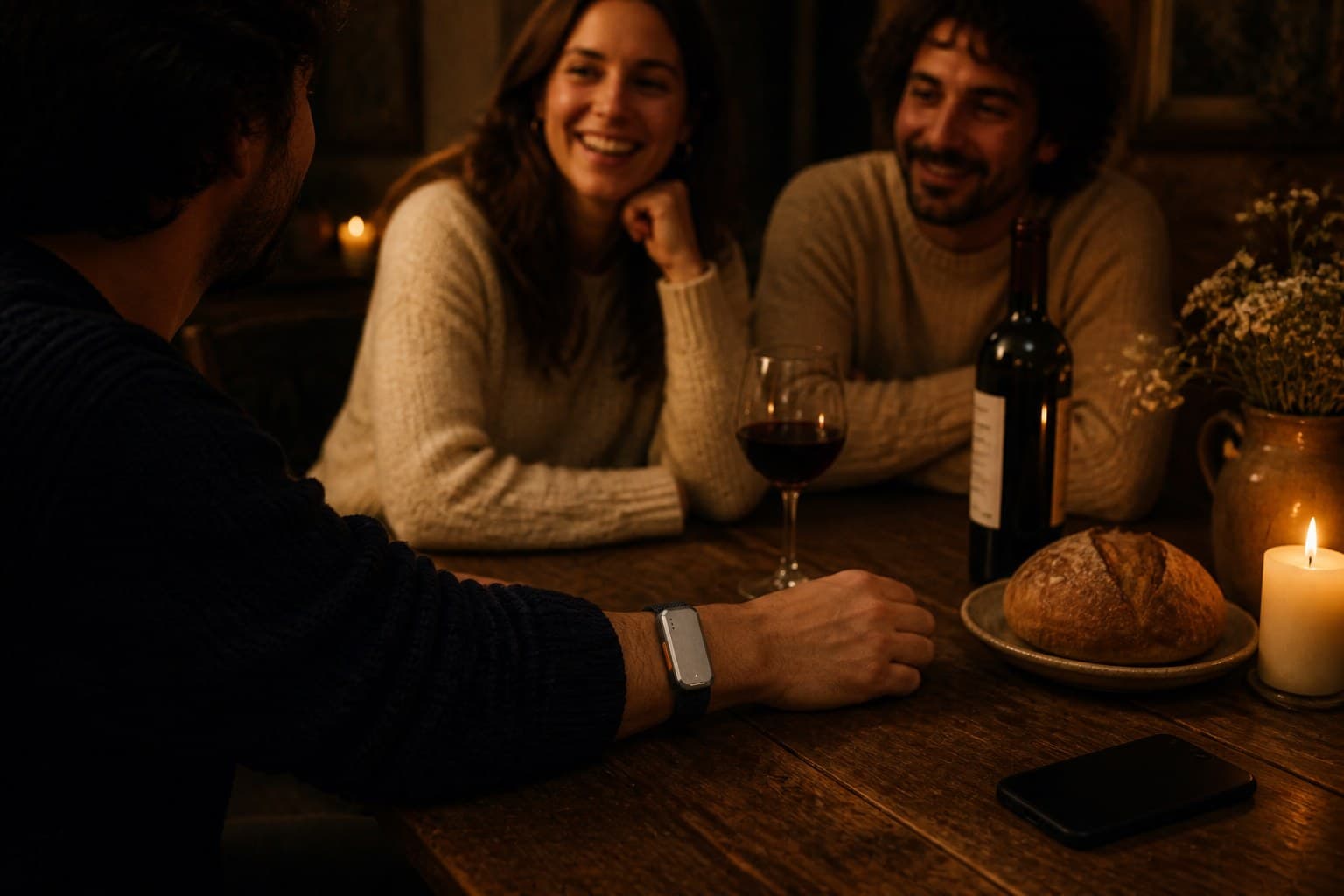
LARS takes the small thing without the screen. Your phone stays in your pocket, in your bag, in another room. LARS/01 records with no phone nearby at all, so you stay where you are, with whoever you are with.

- 01Take the phone out of your pocket.
- 02Unlock it.
- 03Find the app.
- 04Open the shopping list.
- 05Tap the new item field.
- 06Type “milk”.
- 07Tap done.
- 08Lock the phone and put it back.
Eight steps. Screen on, in your hand.
- 01Press the button.
- 02Say “add milk to the shopping list”.
- 03Let go.
Three steps. No screen. The phone never comes out.
LARS is not trying to be more useful than your phone. It is trying to be enough, so the phone can stay where it is.
Understood, not just heard.
Everything it hears turns into something done. The shortest is a line on a list. The longest is an hour you never have to write up.
“Add milk to my shopping list”
Shopping list
Added to your list
“Remind me to call the dentist tomorrow morning”
Reminder
Reminder set
Forty minutes on site with the architect and the builder
Conversation
Written up: what was decided, who owes what
“Note: the anodised finish looked better in daylight”
Note
Note saved
“Email Marc that the prototype slipped a week”
Email sent
Made to be with you.
Steel, eight millimetres, no screen to wake and nothing to unlock. It goes on a strap or in a pocket and it is ready the moment you press it.
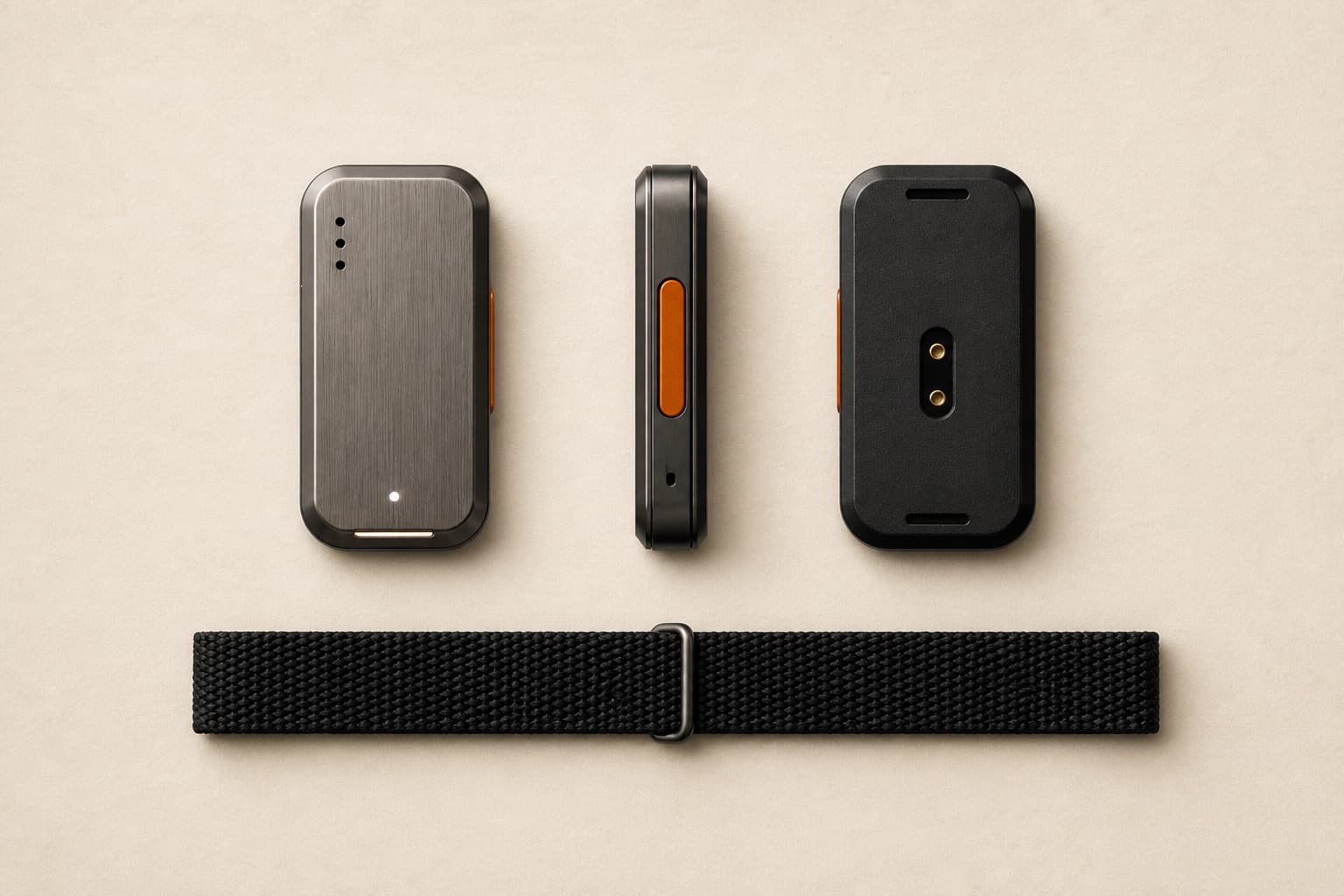
- Input01
- One button
- Display02
- None
- Microphone03
- MEMS, high sensitivity
- Feedback04
- Haptic and a single LED
- Link05
- Bluetooth Low Energy
- Offline06
- Records for hours, no phone nearby
- Battery07
- Rechargeable, days not hours
- Body08
- Brushed steel on charcoal, 8 mm
Say it once.
Then forget it.
You do not open LARS. You do not check LARS. It sits where you left it and waits for the one moment it is useful, which is the moment a thought arrives and you would rather not carry it.
The thought leaves your head and lands somewhere it will be found again.
Ask it to keep the whole hour.
Same press, same device. Leave it running through the site visit or the meeting, and the write-up is waiting for you afterwards.
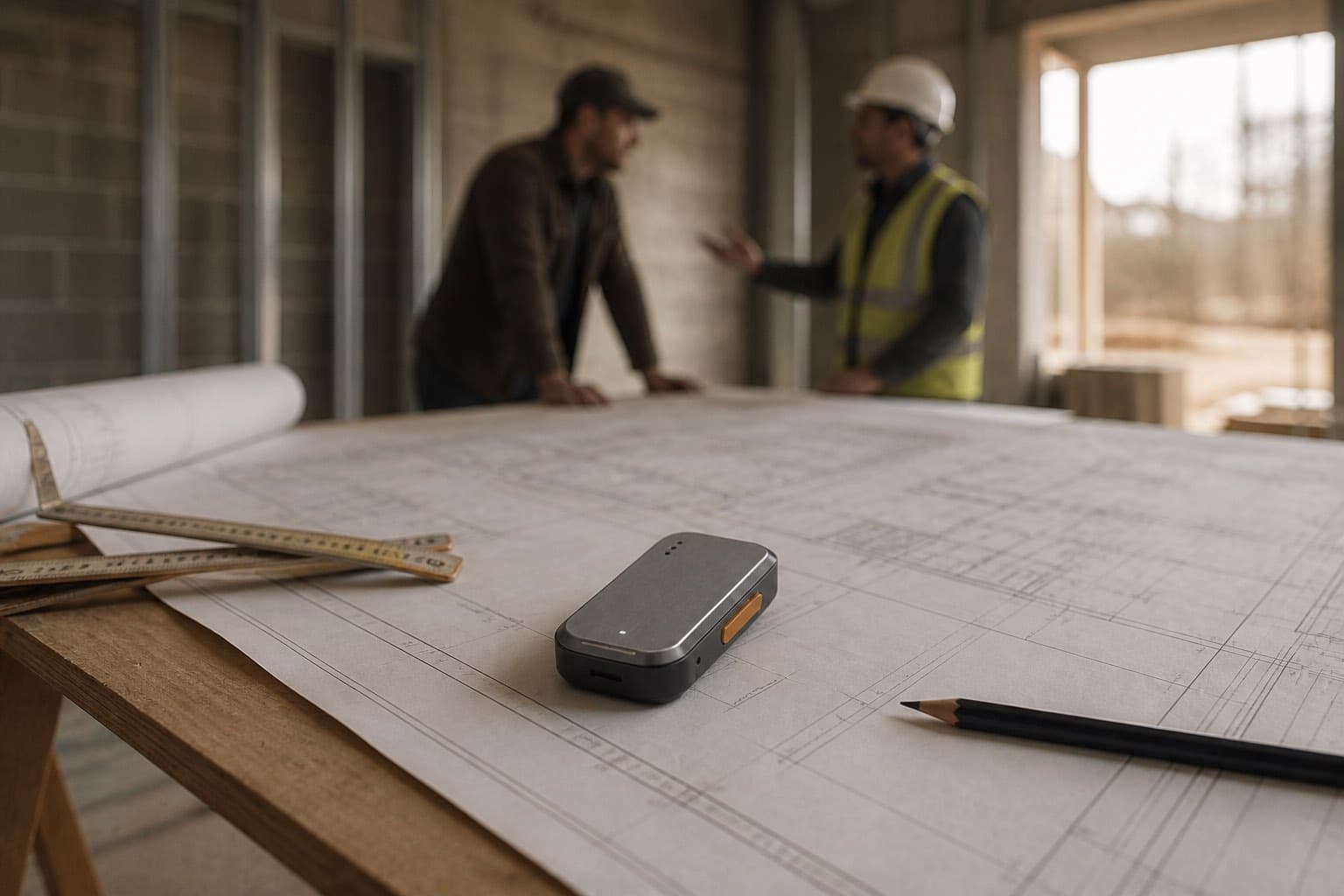
The architect walks you through the changes with a drawing on a trestle table and mud on the floor. Your hands are full and your phone would be ruined. Forty minutes later the visit is written down, including the sentence about the window reveal that everyone will argue about in March. It works the same around a table, where the person taking notes is usually the one who should be talking.
- A summary
- What the conversation was about, in the length it deserves.
- Decisions
- What was agreed, separated from what was only discussed.
- Actions
- Who owes what, and by when, if anyone said when.
- The transcript
- Every word, with speakers marked and timecodes, if you need to check.
It arrives in the same inbox as everything else, so the meeting and the errand you thought of on the way home sit one above the other.
It goes where you go.
Nothing has to be facing you. There is no screen to read and no camera to aim, because LARS only has to hear you. It goes wherever you happen to be, and the button is always in the same place.
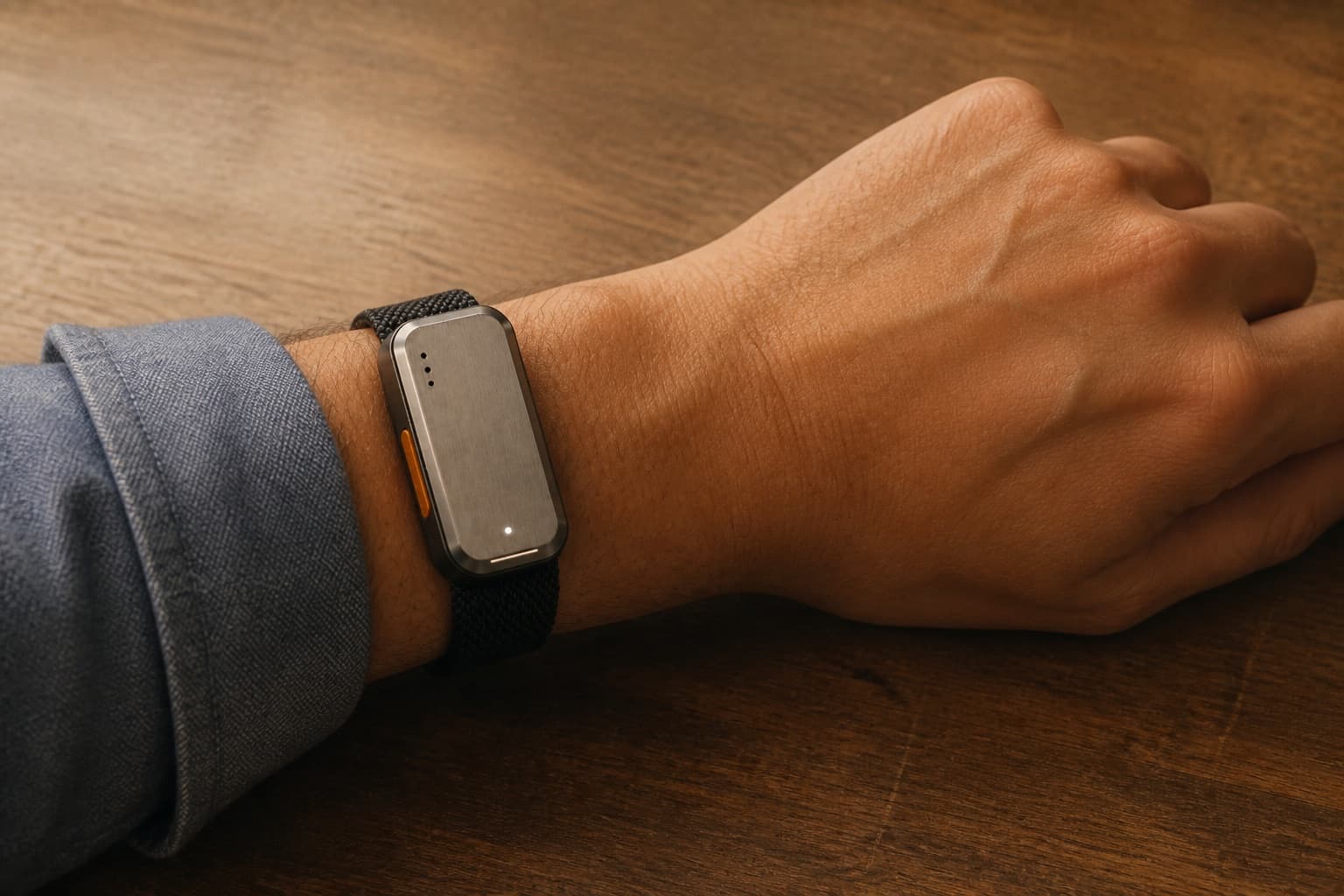
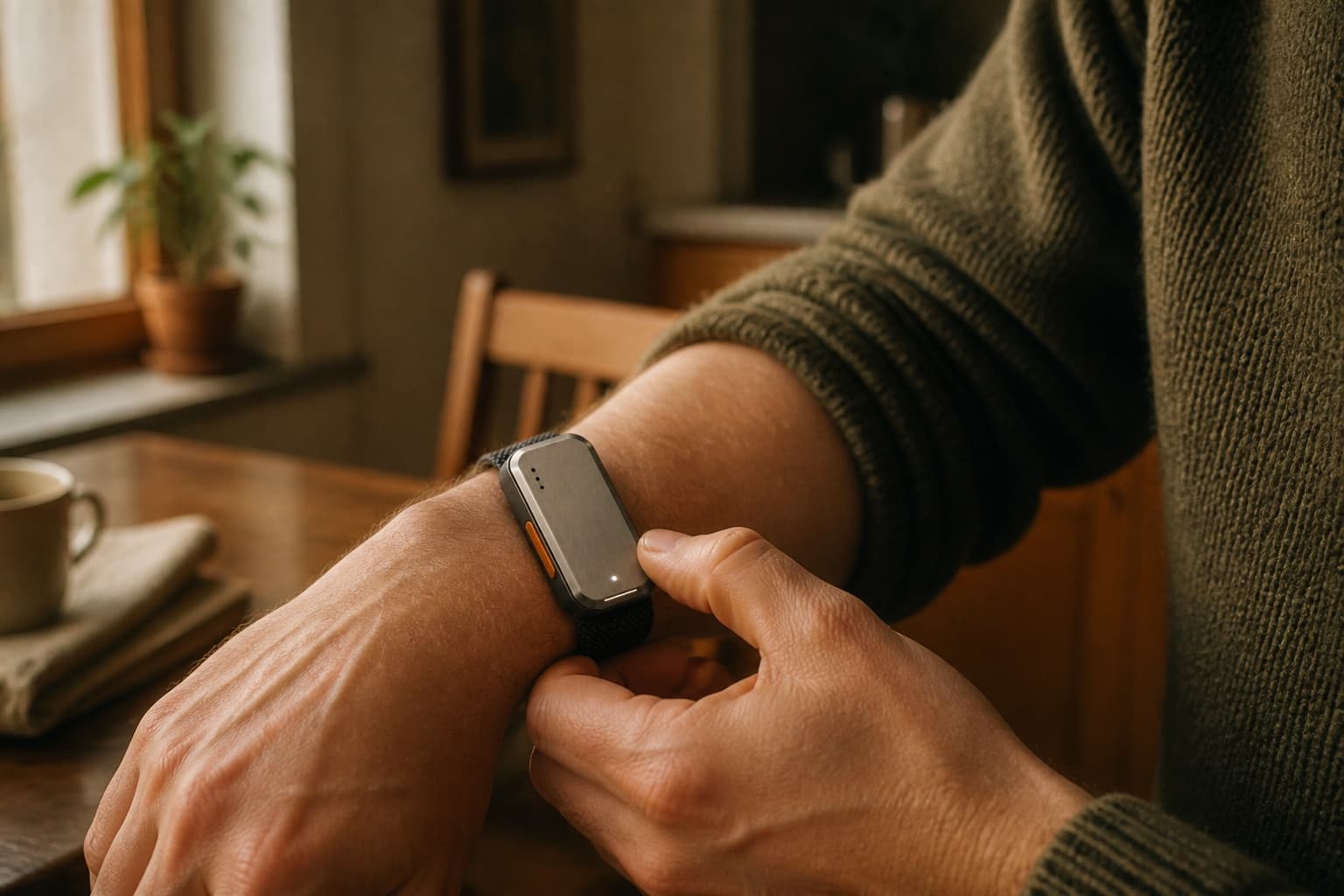
A woven strap, worn like a watch. Your hand already knows where it is.
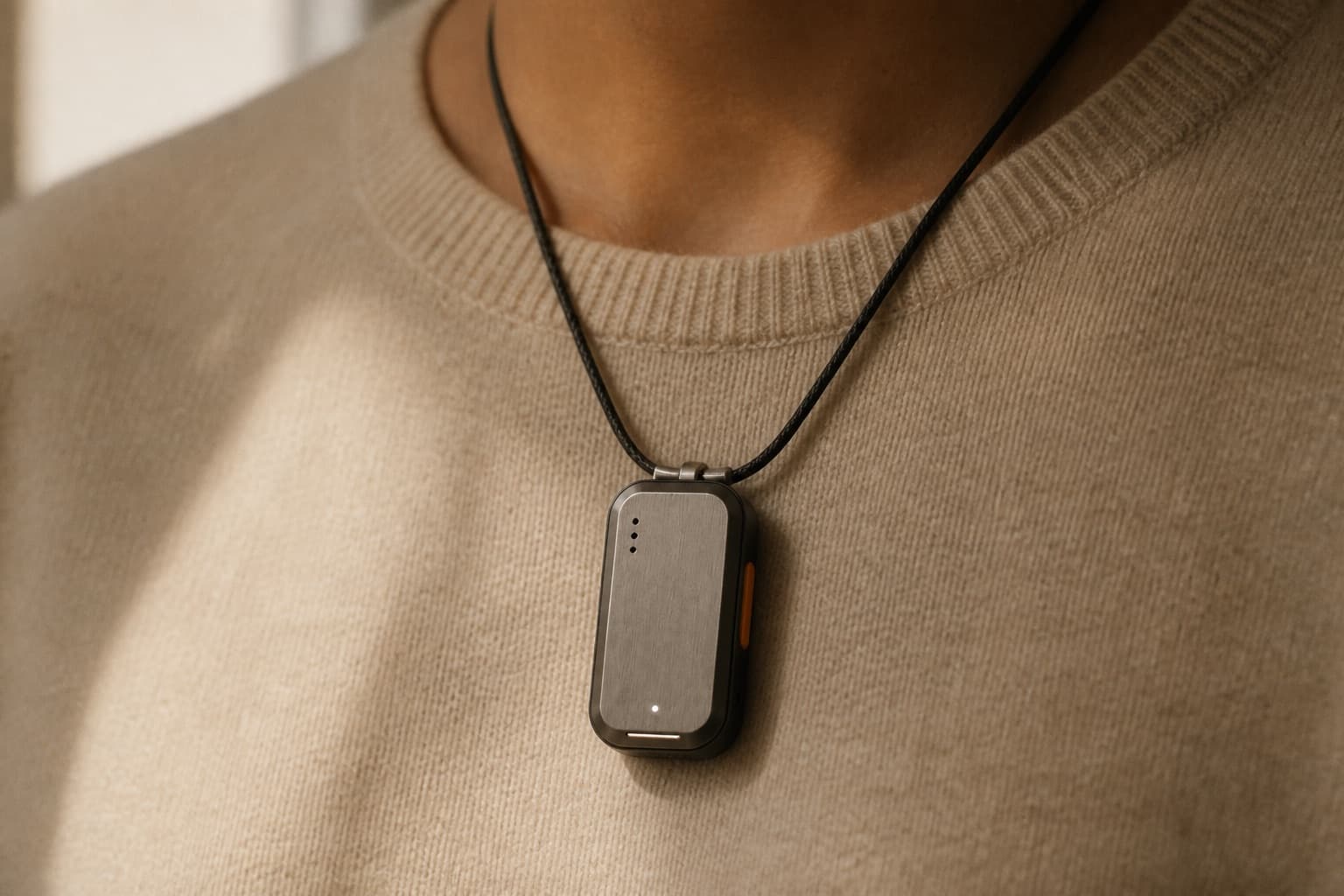
On a cord, close to your voice and out of the way of your hands.
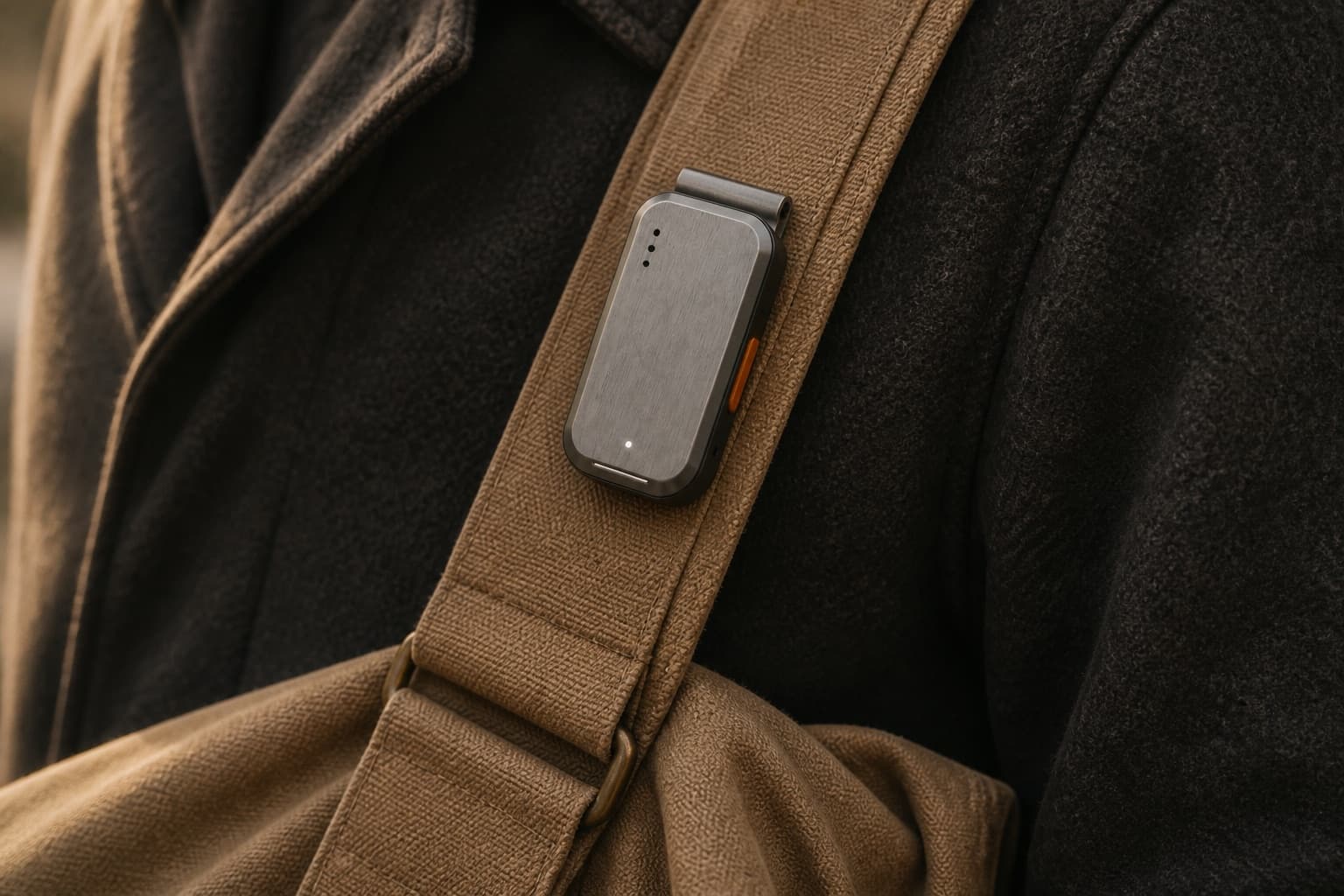
Clipped to a strap, where you can reach it without stopping.
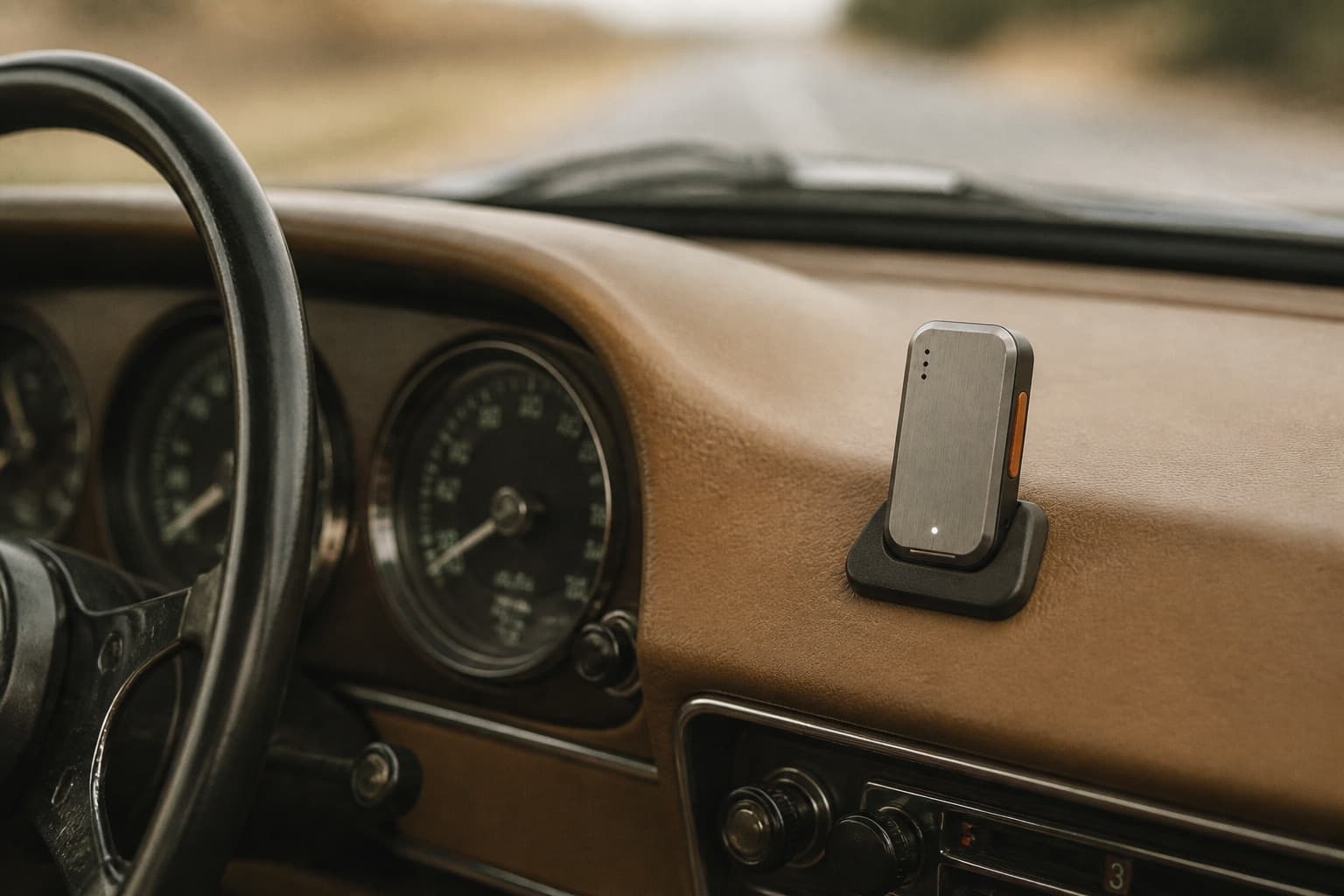
In a cradle on the dashboard, for the things you think of while driving.
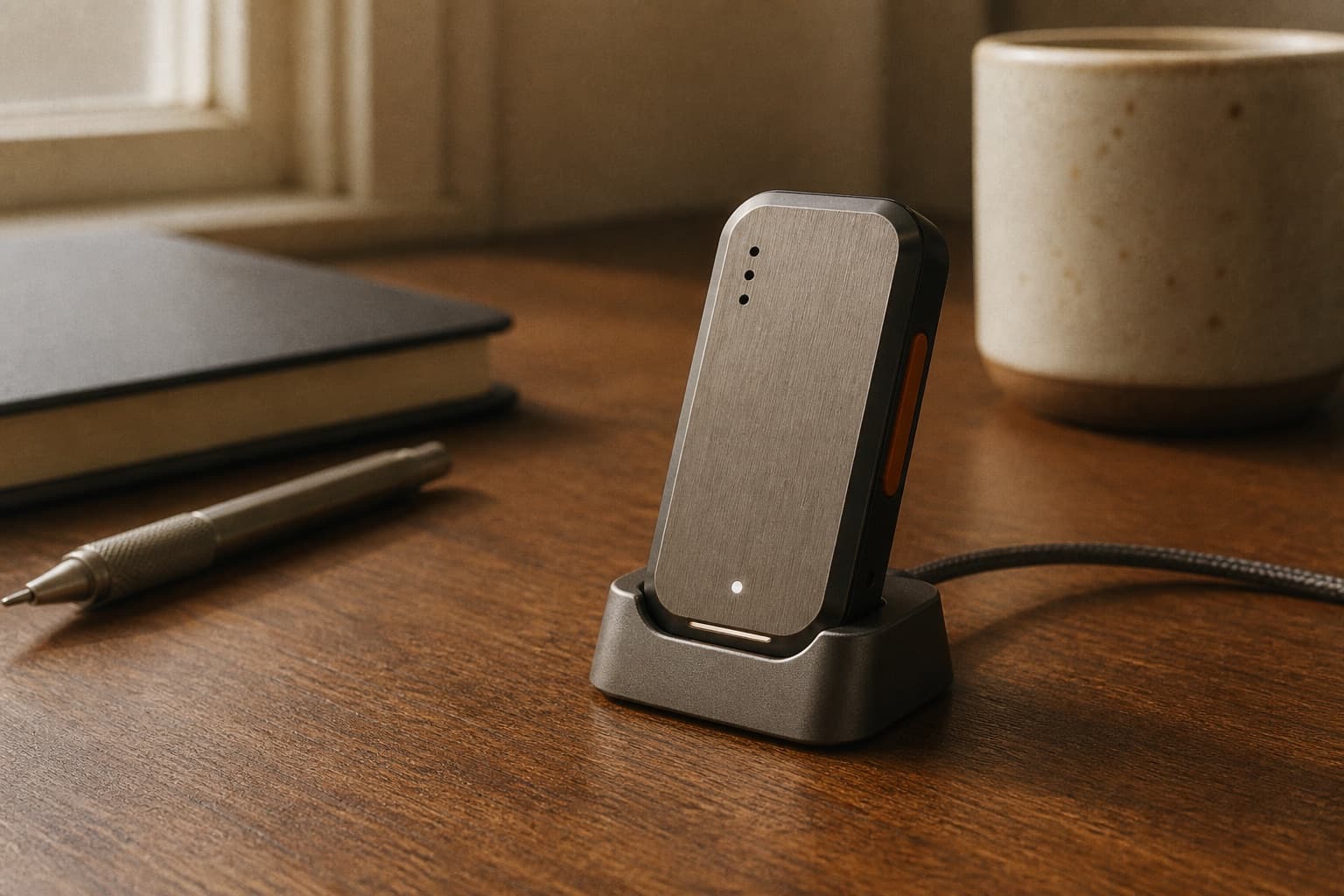
Standing in its dock, charging, still listening for one press.
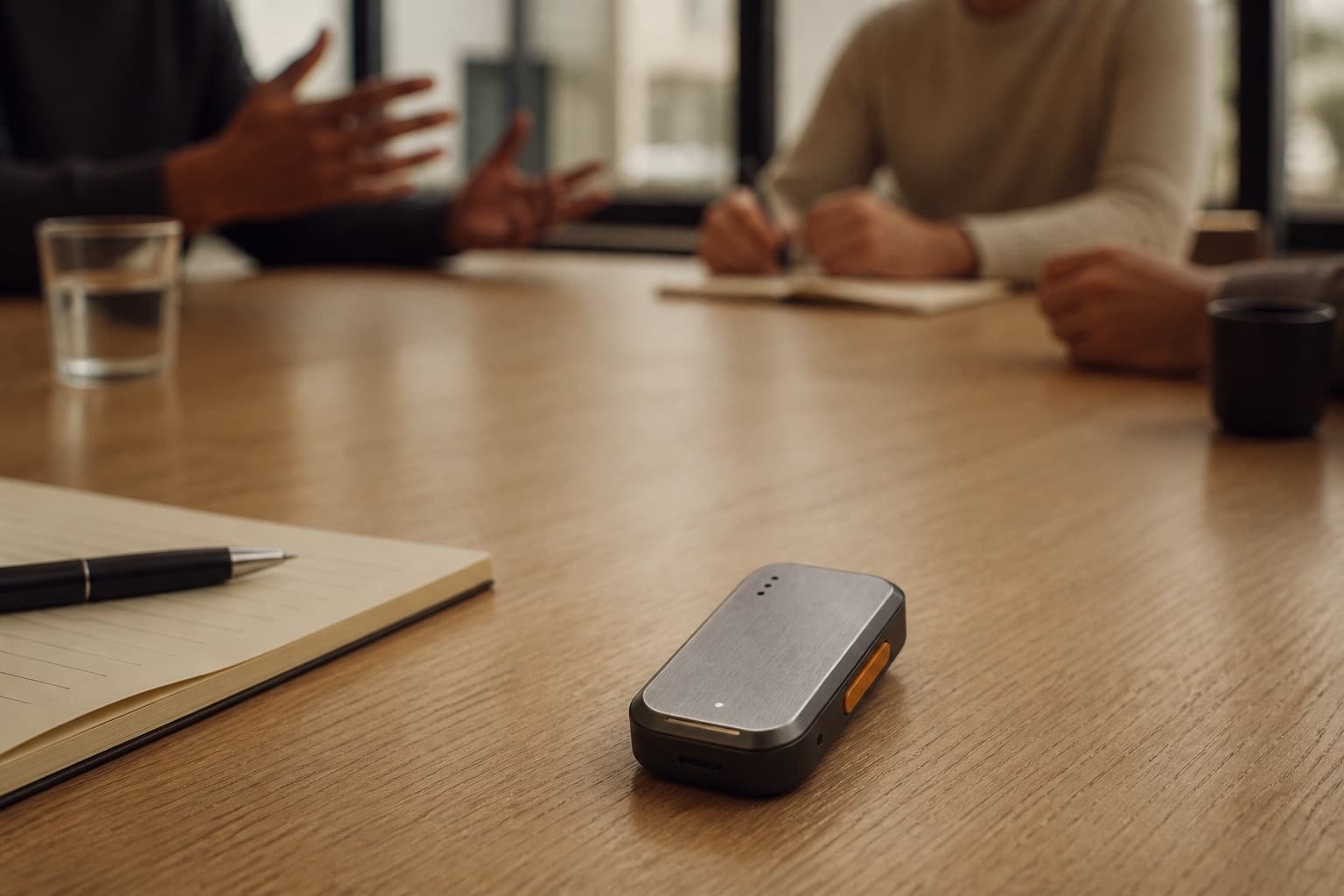
Face up on the table, for the thing everyone agrees to and nobody writes down.
Privacy by design.
- Stored in France
- Your recordings, their transcripts and everything LARS makes from them sit on French infrastructure.
- Mistral AI, in France
- Speech to text and understanding run at Mistral. Each request carries one recording and nothing that identifies you.
- Never trained on
- Nothing you record trains a model. Not ours, and not Mistral’s.
- Deleted on a timer
- Recordings are deleted automatically. Seven days by default.
- Nothing watching
- No advertising, no tracking, and no analytics that can see a recording.
- ISO 27001 infrastructure
- Scalingo and Scaleway, the French platforms LARS runs on, are both certified to ISO 27001.
We make money selling hardware, never your voice.
The detail is on the privacy page, in plain language.
The personal computer we were promised.
In the seventies, the personal computer was going to disappear into daily life. It would know your voice. It would keep the small things in order so you could think about the large ones.
Instead we got screens. Then better screens, then screens on our wrists, then a phone that asks for attention four hundred times a day.
LARS is the other version. Something that sits with you, hears what you ask of it, and deals with it, so your head can be empty of the small things and full of the large ones.
LARS/01 is being built now.
Leave your email and we will tell you when it is ready.